
Finding Your House at Stella Maris Academy
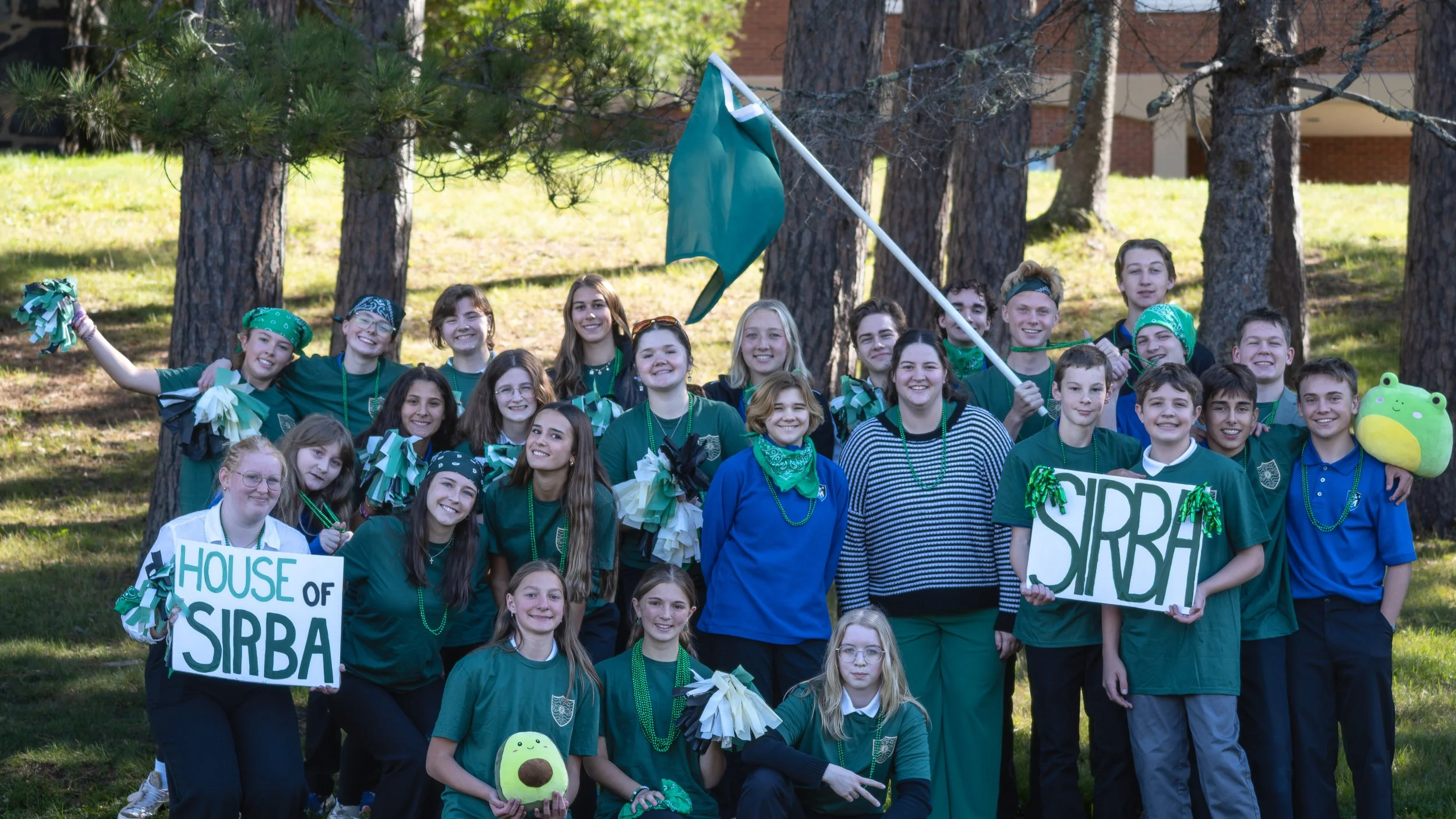
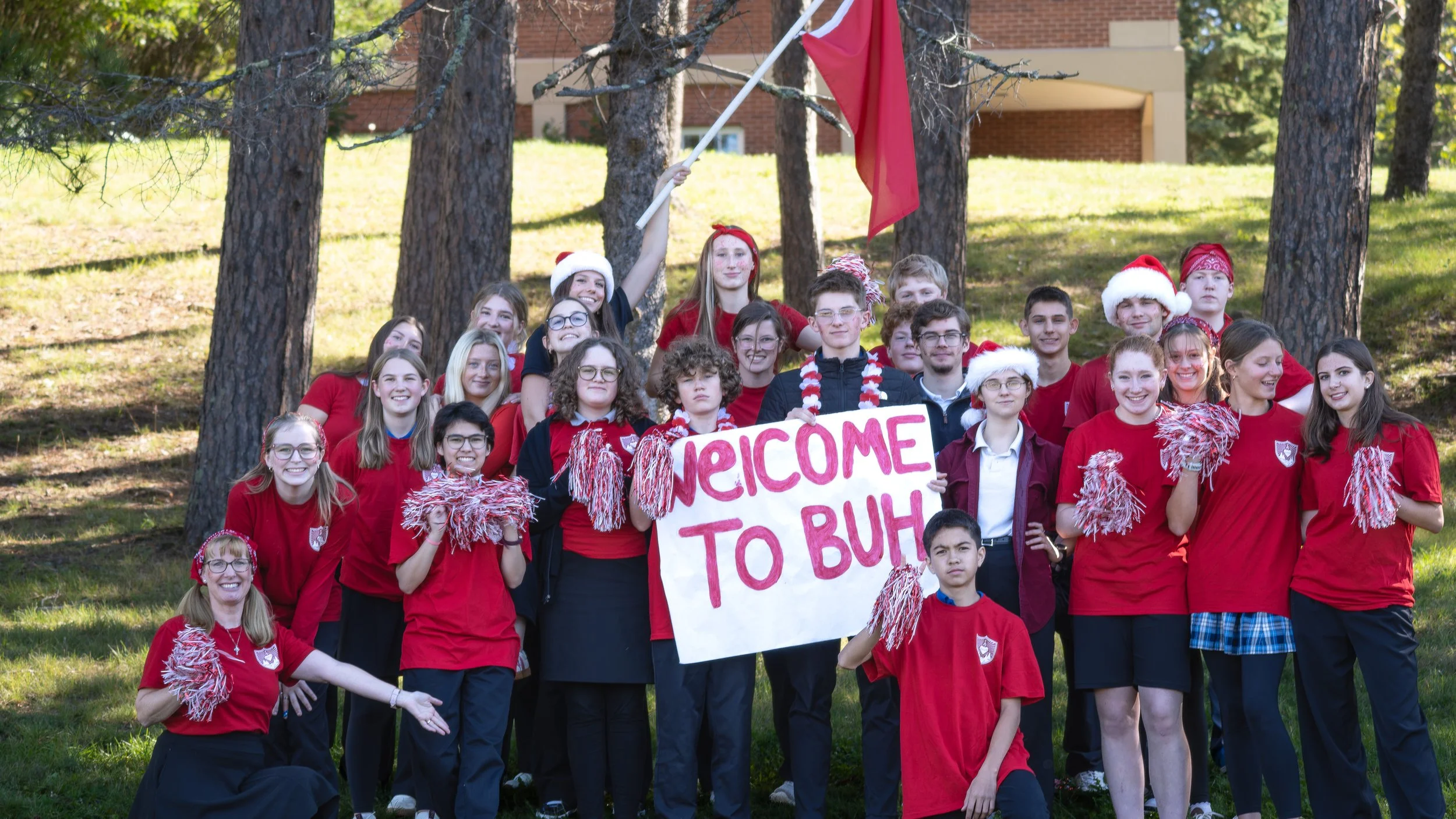
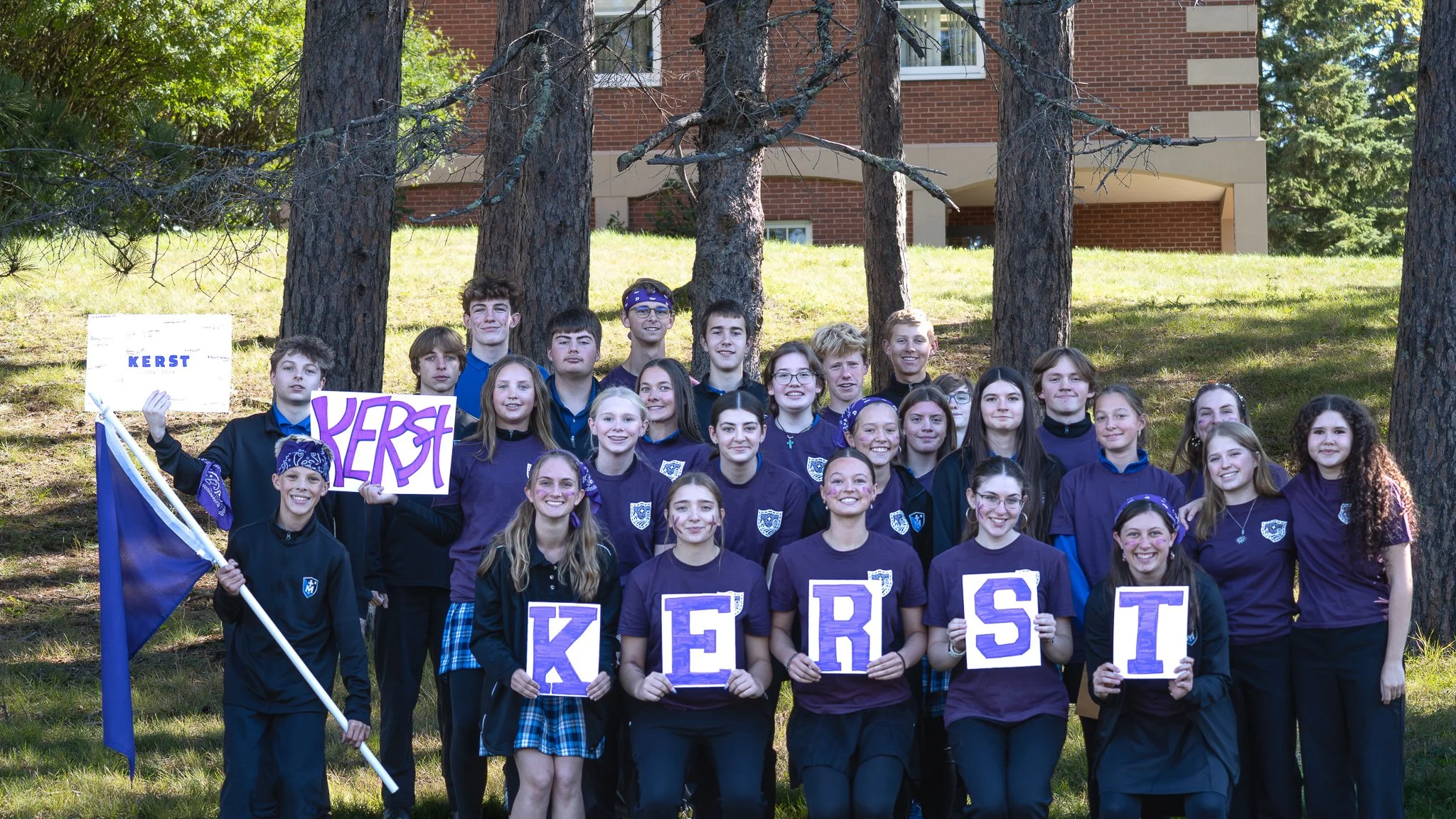
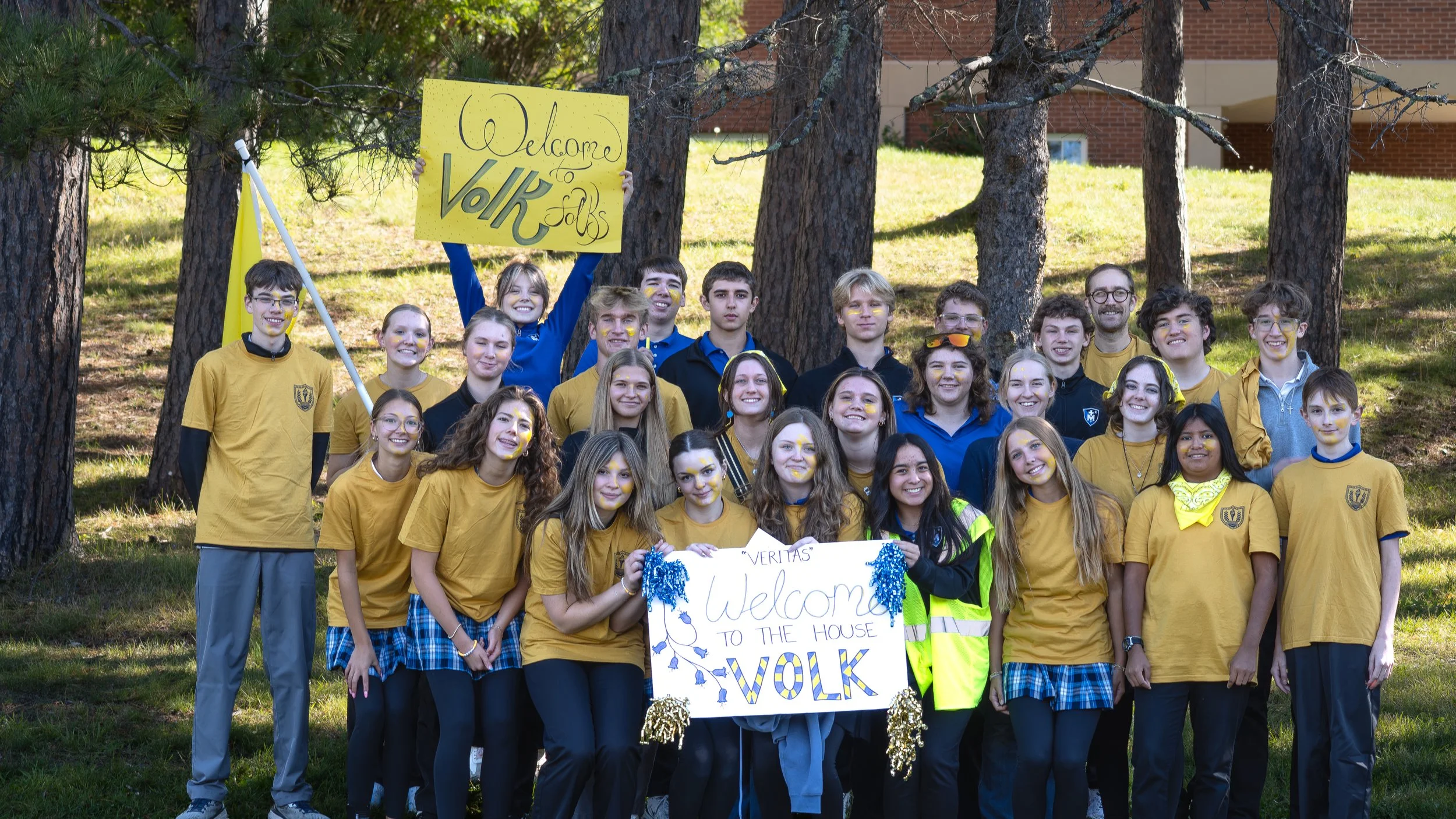
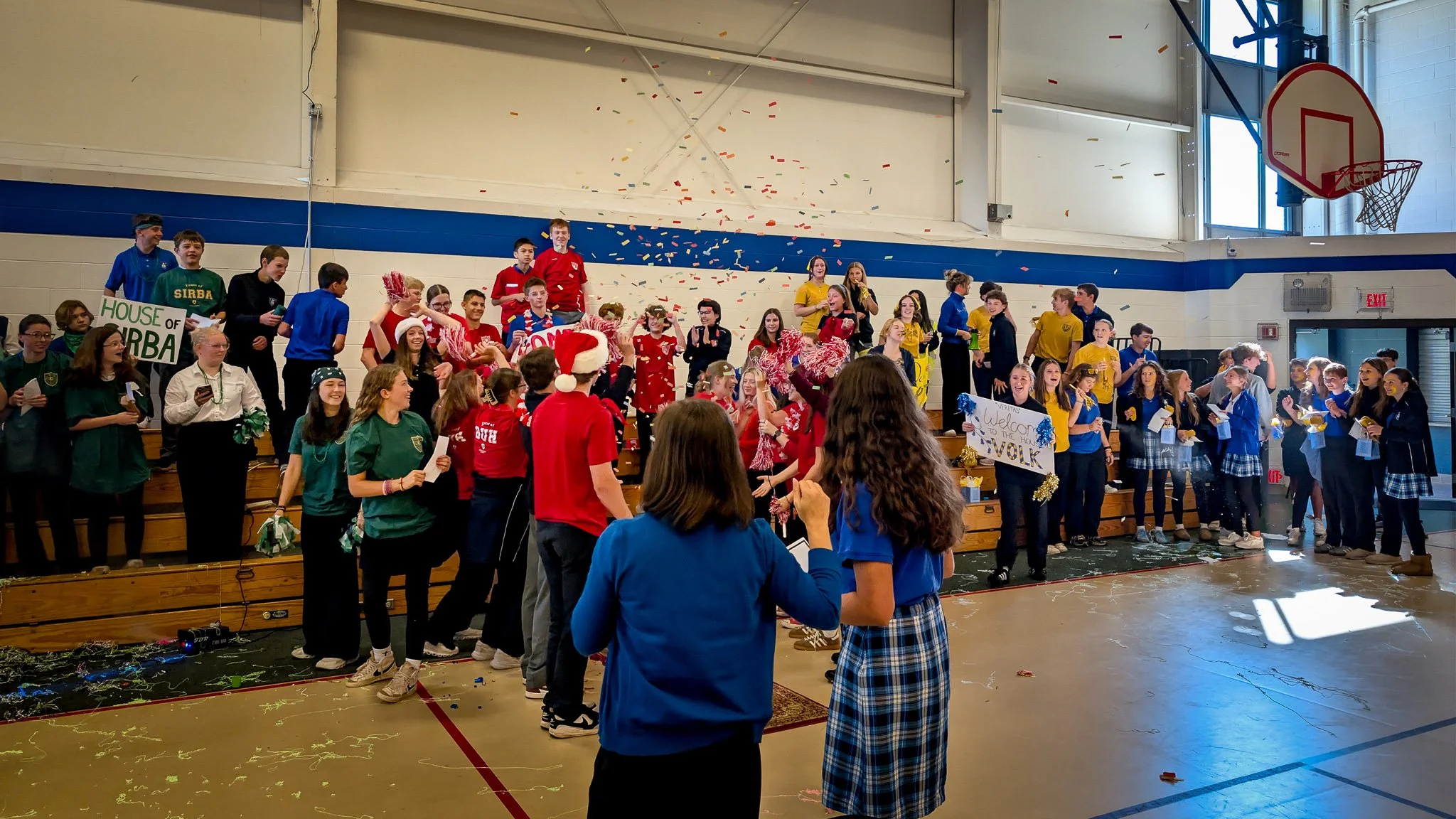
At Stella Maris Academy, school spirit can take some unexpected forms: a carefully decorated cake, a race to finish a puzzle, or even a parallel parking competition. Behind the fun is a serious purpose. The academy’s House System brings students from different grades together to build friendships, practice leadership, and discover that belonging is something a community creates together.
For Ms. Jenny Boran, Director of Faith Formation at Stella Maris Academy, House Sorting is more than an introduction to a group. It is the beginning of an opportunity to grow alongside students you might not otherwise get to know.
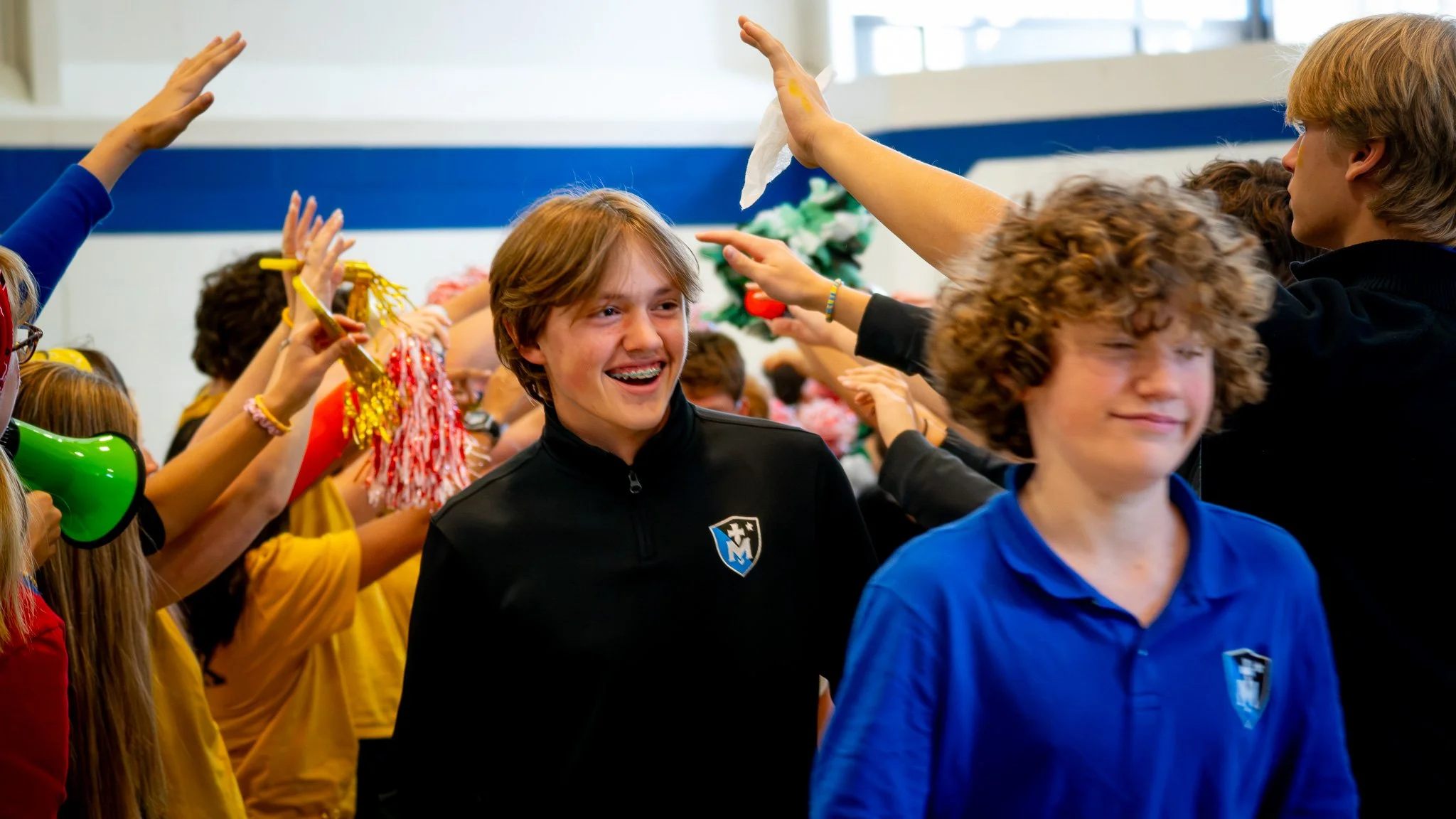
The sorting celebration gives that opportunity an enthusiastic start. Teachers and staff have enjoyed seeing houses develop their own ways of welcoming new members and expressing pride in their communities. Those emerging traditions capture what the program is meant to encourage: students taking ownership of a place where they belong.
A Small School with a Big Idea
The inspiration began during the high school’s first year, when Stella Maris had its inaugural ninth-grade class. A visit to another small Catholic high school in the Twin Cities introduced school leaders to a House System designed to deepen community and belonging.
The idea made sense for a growing school. Small classes offer close relationships, but they can also mean students spend much of their day with the same classmates. Athletics and extracurricular activities create connections across grades, yet not every student finds a community through those avenues.
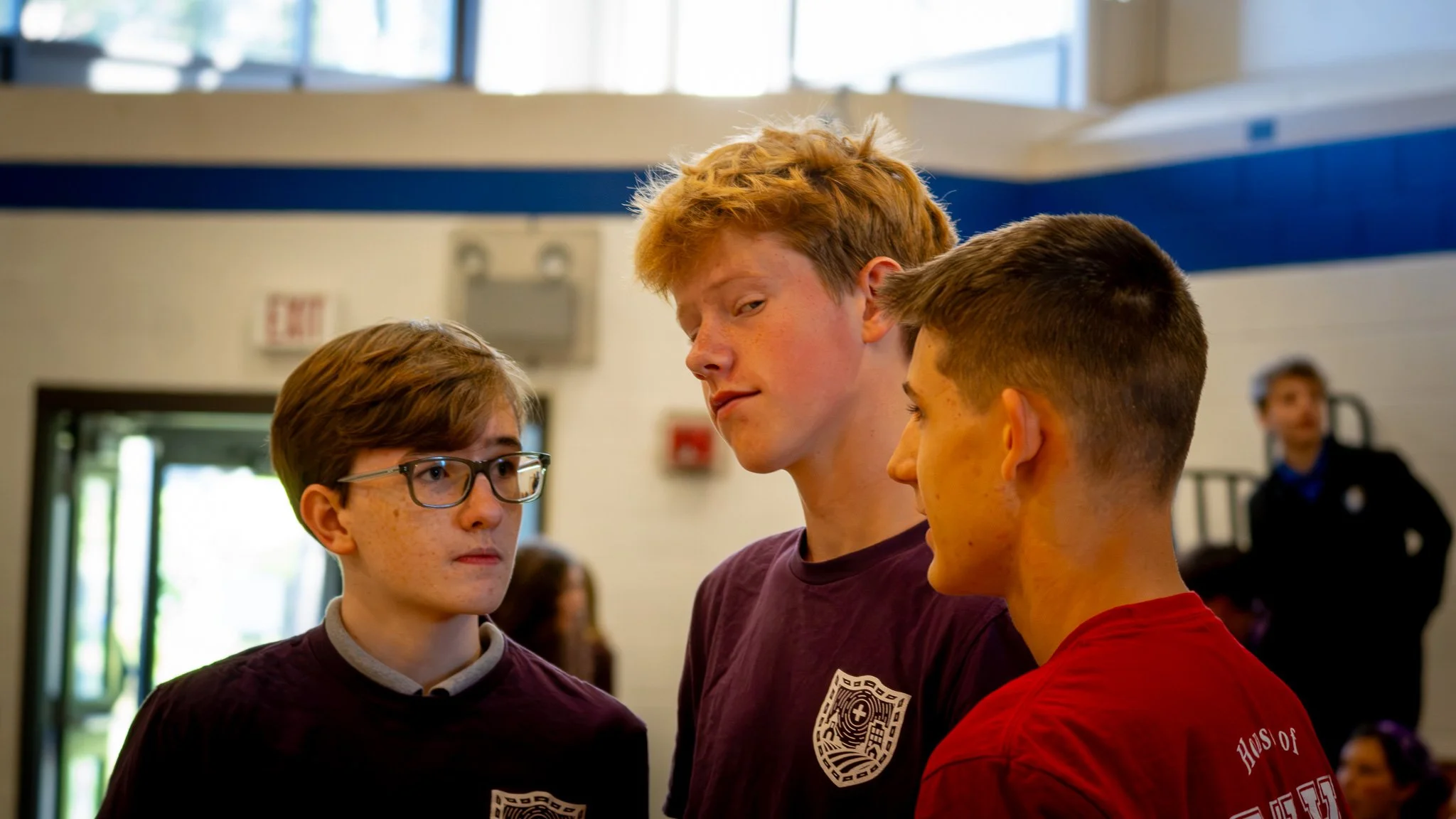
A House System could make those connections part of everyday school life. By bringing ninth through twelfth graders together, it would give younger students older peers to learn from and give upperclassmen meaningful opportunities to encourage, guide, and lead.
As Ms. Boran explained, the goal was to provide “another opportunity to be with different students and to grow with different students.” School spirit and friendly competition would help bring those relationships to life.
Four Houses, One Shared Heritage
Choosing names for the houses meant asking a deeper question: whose lives could help students understand the Catholic community they are part of?
In the summer of 2023, Activities Director Chris Lemke invited several people to begin thinking and praying about what the program might look like; with that Ms. Boran studied several high schools across the country, exploring both their structures and the people they honored. Some chose saints, others recognized founders or members of the religious communities that had shaped their schools.
For Stella Maris, the answer came close to home. The four namesakes would honor people whose faith and service helped shape Catholic life and education in Duluth.
Monsignor Joseph Buh offered a particularly meaningful connection to the high school campus. As Boran learned more about his life, she discovered that he had lived at Saint James Orphanage, now the high school, near the end of his life. Photographs of him at the site made that connection feel especially providential.
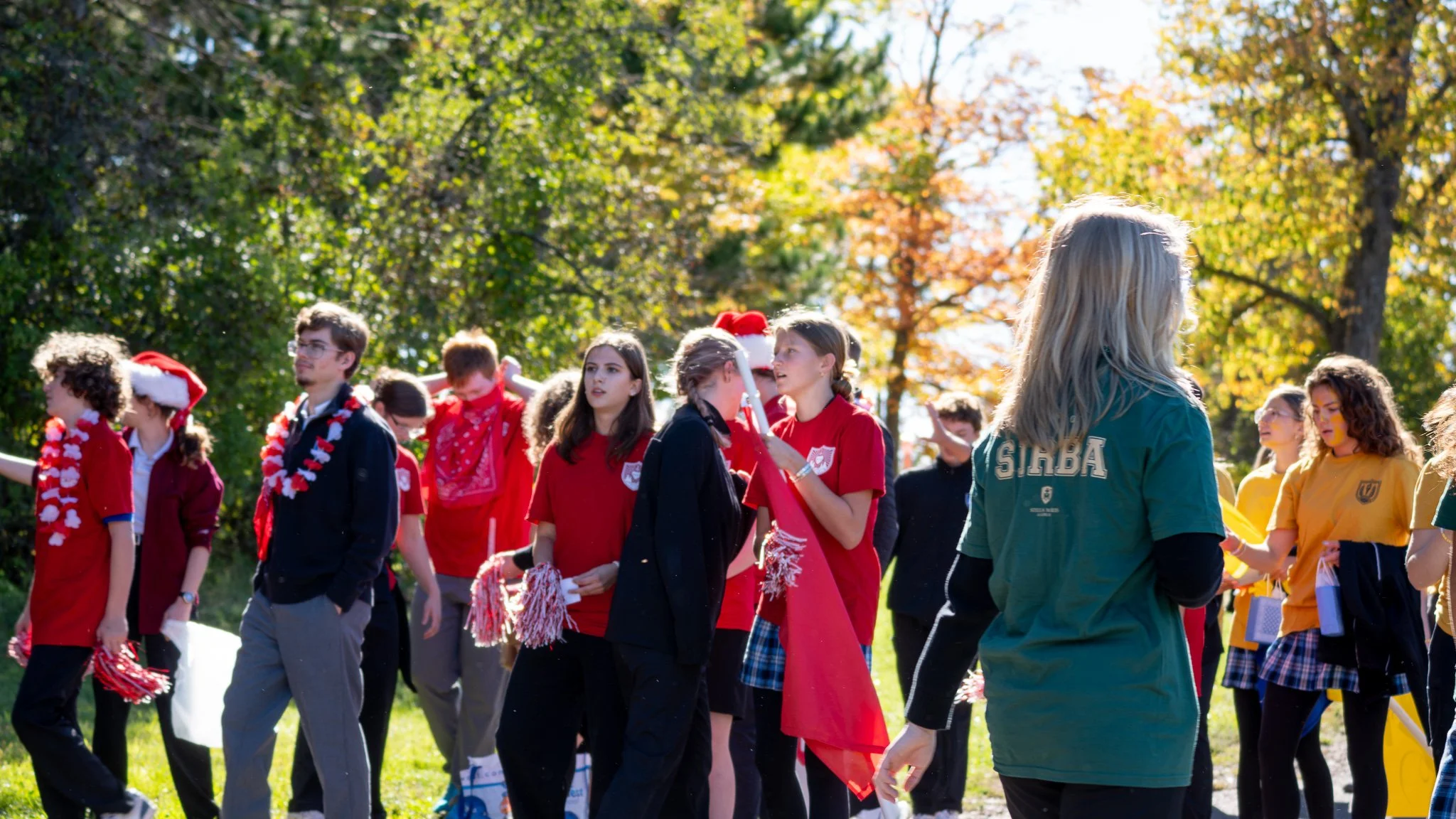
Sister Scholastica Kerst represents the Benedictine heritage of the schools. Ms. Boran pointed to the extraordinary scope of her work and the lasting influence of the institutions she helped establish. More than a century later, Stella Maris Academy students continue to benefit from that legacy.
Bishop Paul Sirba was a natural choice because of his role in helping establish Stella Maris Academy. His connection was also personal: many students had known him, bringing the house’s namesake within living memory of the school community.
Sister Samuella Volk honors the Dominican heritage of Holy Rosary and Saint Michael’s schools. During the search, parents, former teachers, and community members repeatedly suggested her name. Unlike the other namesakes, she is still living, offering a tangible example of a life devoted to serving the Church.
Together, the four houses connect today’s students with the people whose work helped make their education possible.
Prayer, People, and a Little Friendly Competition
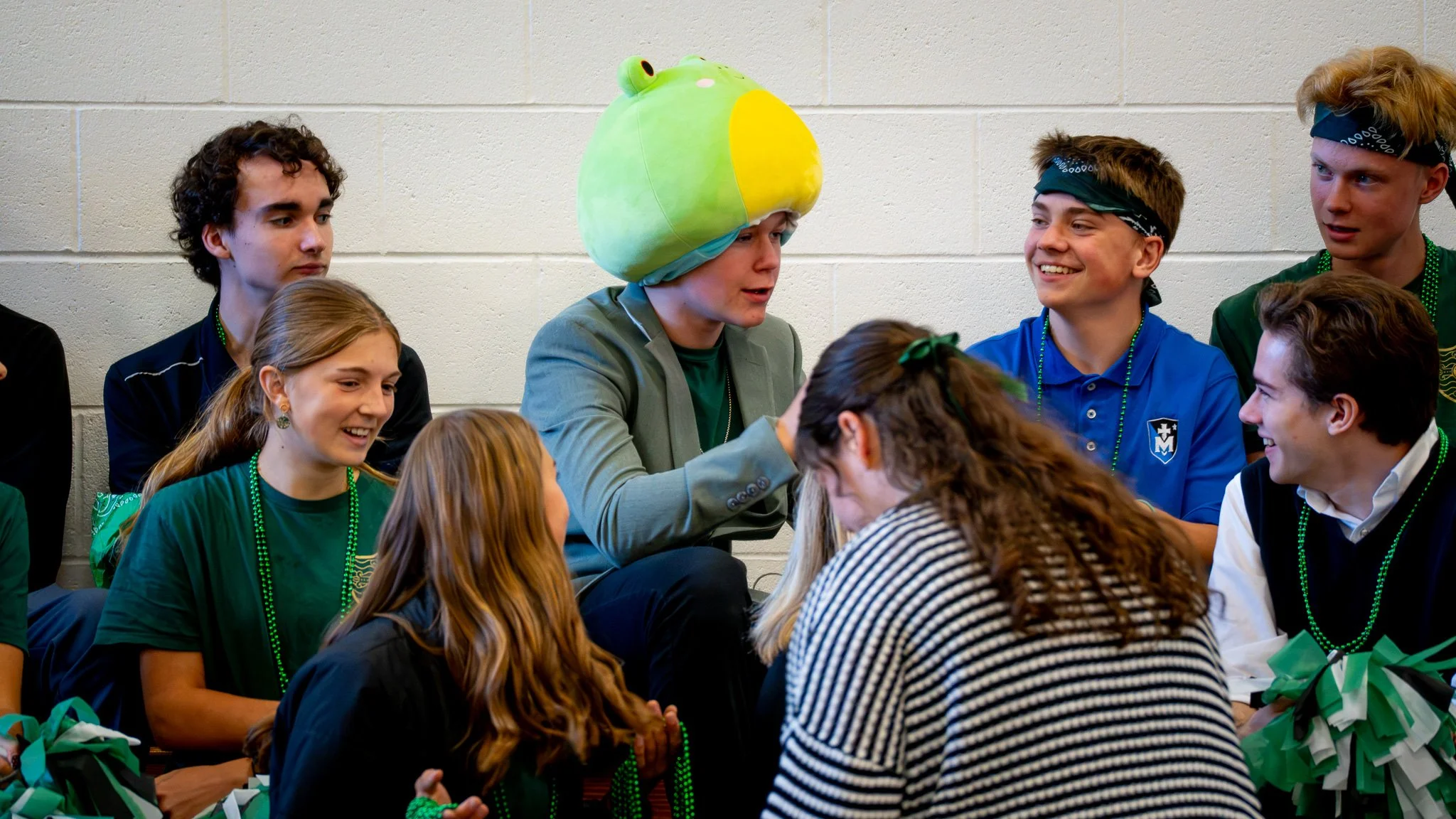
House life is woven into the school week. Students meet with their houses five times a week, with four shorter gatherings of about ten minutes for prayer, announcements, and occasional games or icebreakers. A longer Wednesday meeting provides room for planning, getting to know one another, and discussing school culture and community. Then come the competitions, where students can discover that their particular talent might be just what their house needs.
At the beginning of the year, students organized a cake decorating competition as part of house potlucks. The creations reflected house colors and deeper themes, including a Sacred Heart cake. Other activities have included foosball, ping pong, trivia, timed puzzles, and that memorable parallel parking challenge.
The spring Easter egg hunt takes the adventure outdoors. Ms. Boran recalled putting out approximately 700 eggs across a large stretch of the school’s property. Capture the flag, Christmas decorating, and sledding races were among the activities being considered for the year ahead.
The variety is intentional. Not every student shines in the same setting, and house competitions offer different ways to contribute. A steady hand, a quick answer, a creative idea, or a knack for teamwork can all become reasons to celebrate.
Growing Leaders, Not Just Teams
For Ms. Boran, the program’s future is about more than adding events to the calendar. It is about building “a structure of mentorship” and helping students take greater responsibility for their communities.
Upperclassmen could increasingly lead meetings, guide prayer, organize competitions, and plan opportunities for their houses to gather outside school. These roles would extend leadership beyond student council or the captaincy of a sports team, giving more students a chance to step forward.
Growth will also require thoughtful adjustments. At the time of the interview, each house had about 27 students. As enrollment increases, smaller groups within each house could help preserve the personal connections that make the meetings meaningful. Boran described possible future leadership structures, including house presidents, vice presidents, secretaries, or head boys and girls.
Those possibilities are still developing, just like the traditions students are beginning to create. But the direction is clear: stronger relationships, more student leadership, and a community where faith is lived through everyday acts of welcome and encouragement.
House Sorting starts with finding out where you belong. What follows is the more important part: learning how to help others belong, too.