
The Esser Family Mission to Kenya
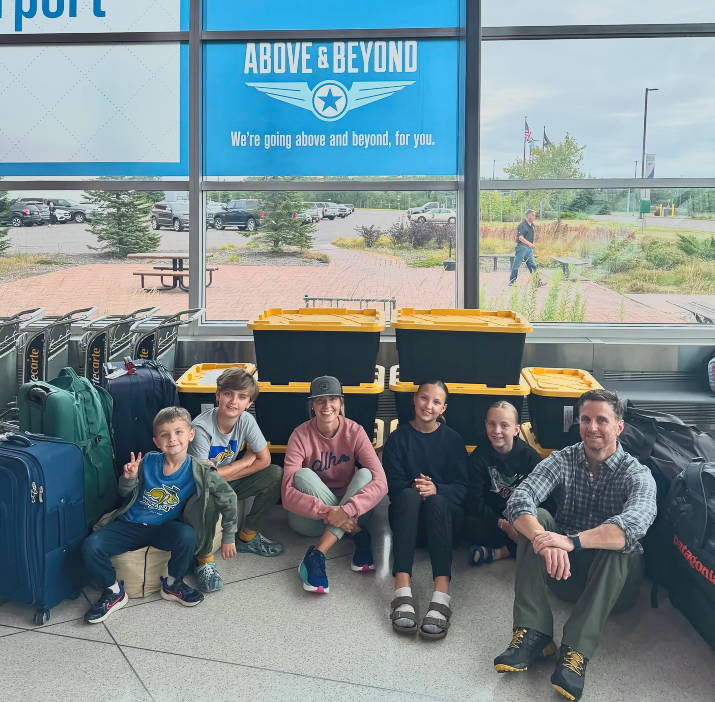
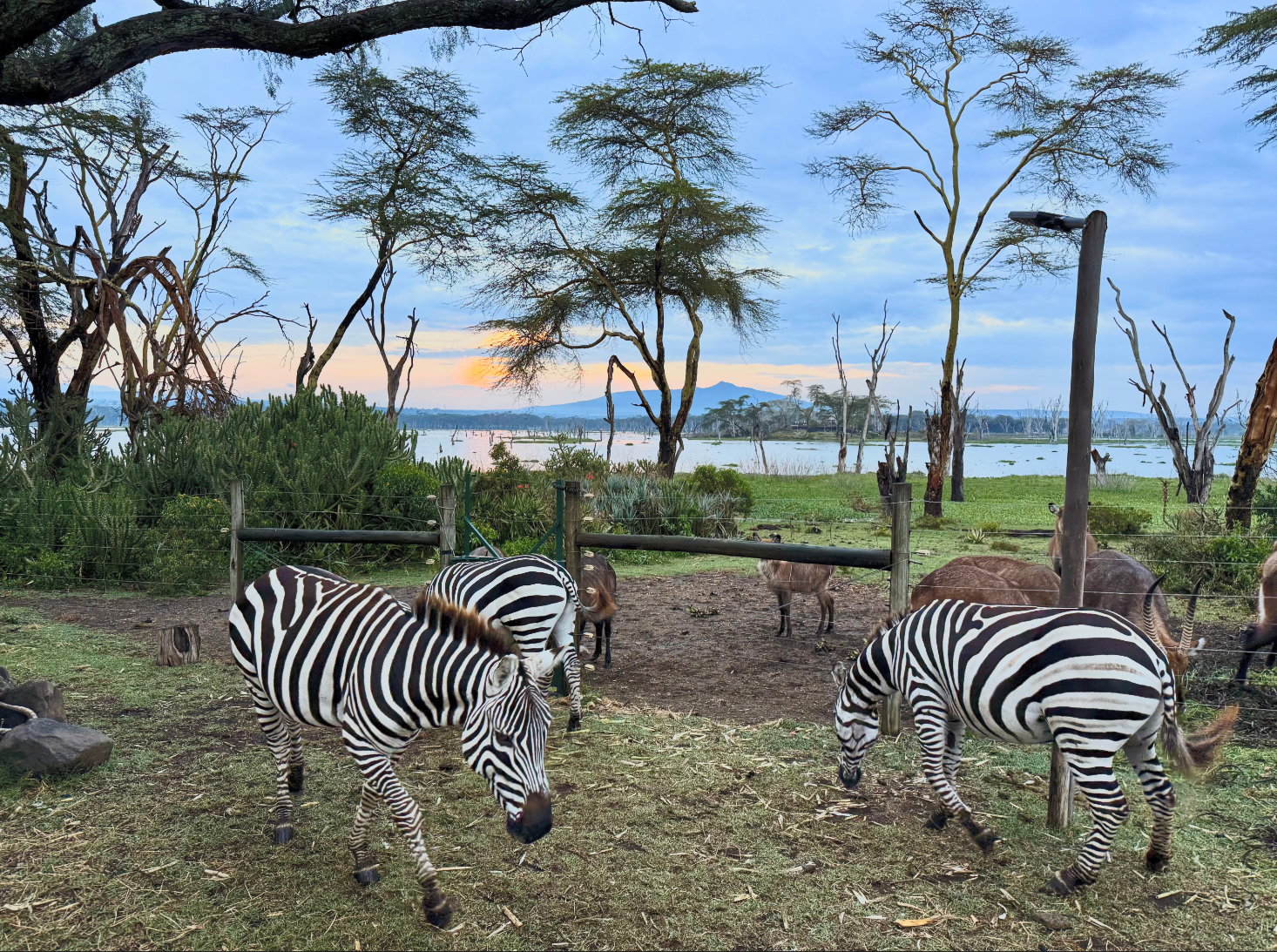
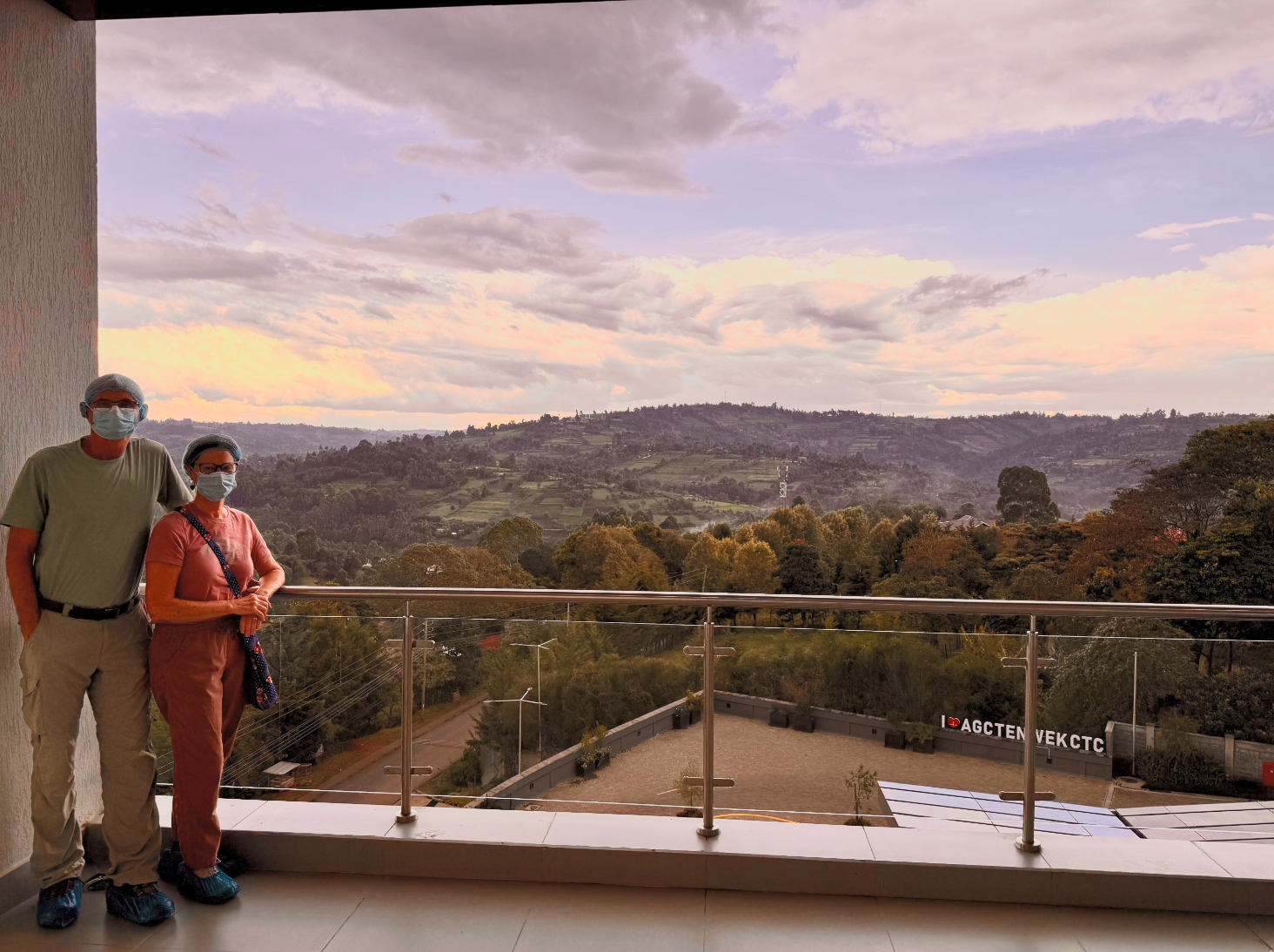
Last August, the Esser family , Tim, Kim, and their four children, Sophie, Murphy, Maisy, and Sam — loaded six big totes, four little totes, seven duffel bags, six carry-on bags, five backpacks, and one violin onto a plane bound for Nairobi. They were leaving the Duluth house they had lived in for eleven years to spend a year at Tenwek Hospital, a mission hospital tucked into the green hills of Bomet County, four hours northwest of the Kenyan capital. Tim, a cardiothoracic anesthesiologist, would be working at Tenwek’s newly opened Cardiothoracic Centre. Kim would homeschool the kids, and everyone would learn what life looked like with rainwater filtration, mosquito nets, and avocados that dropped from trees the size of small buildings.
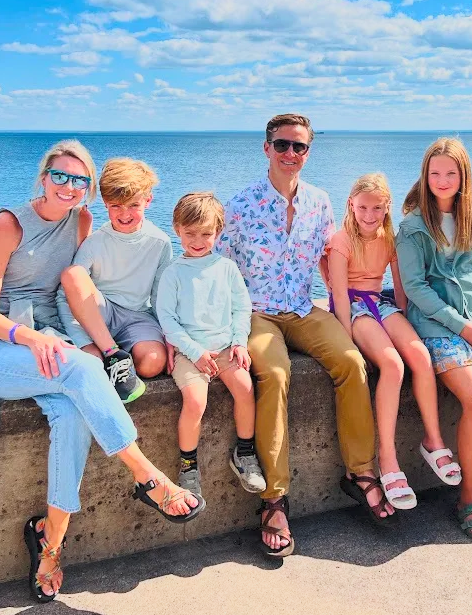
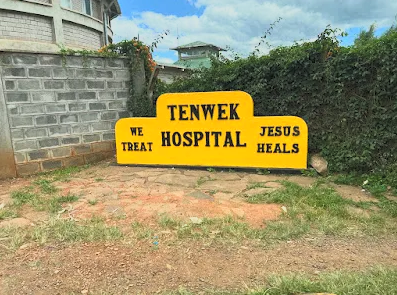
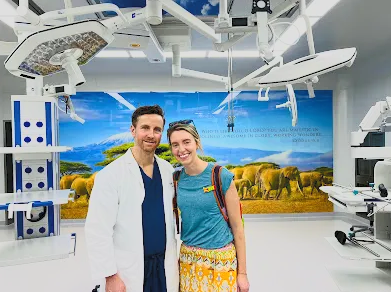

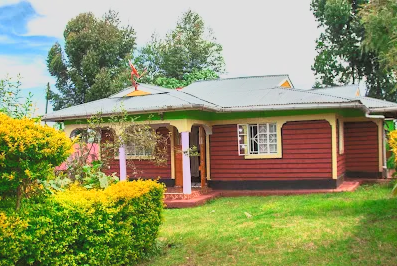
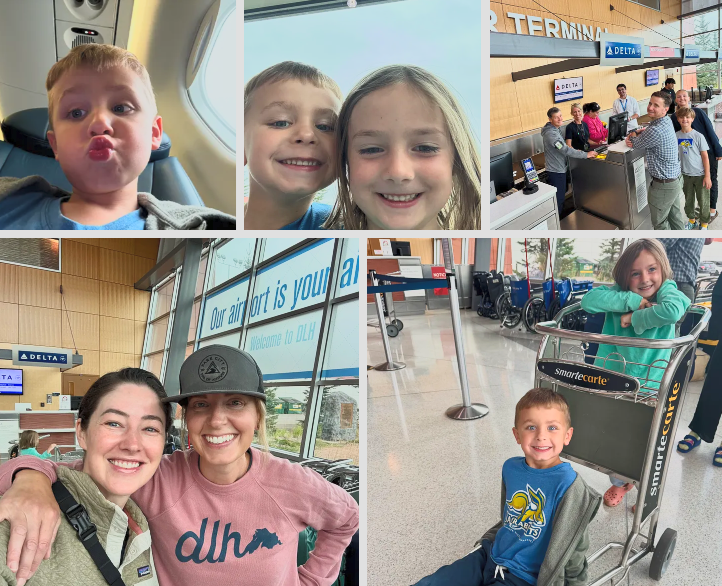
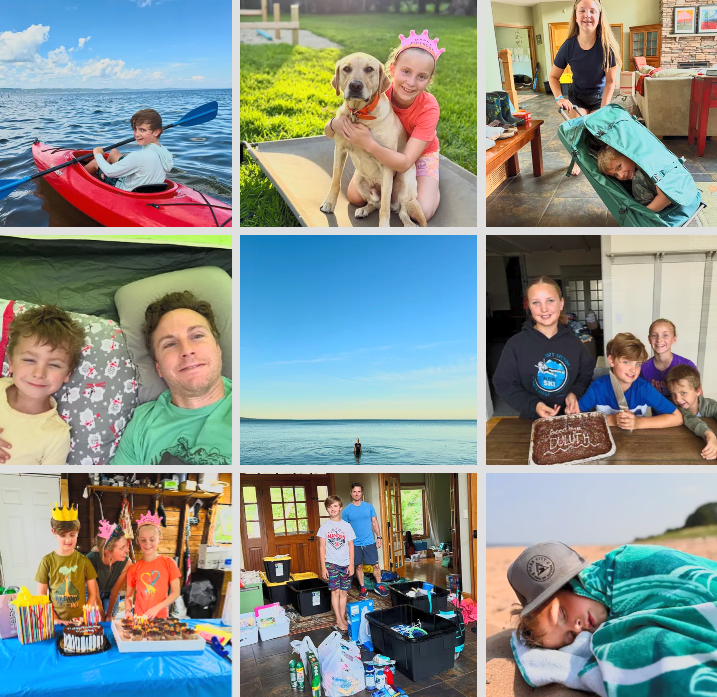
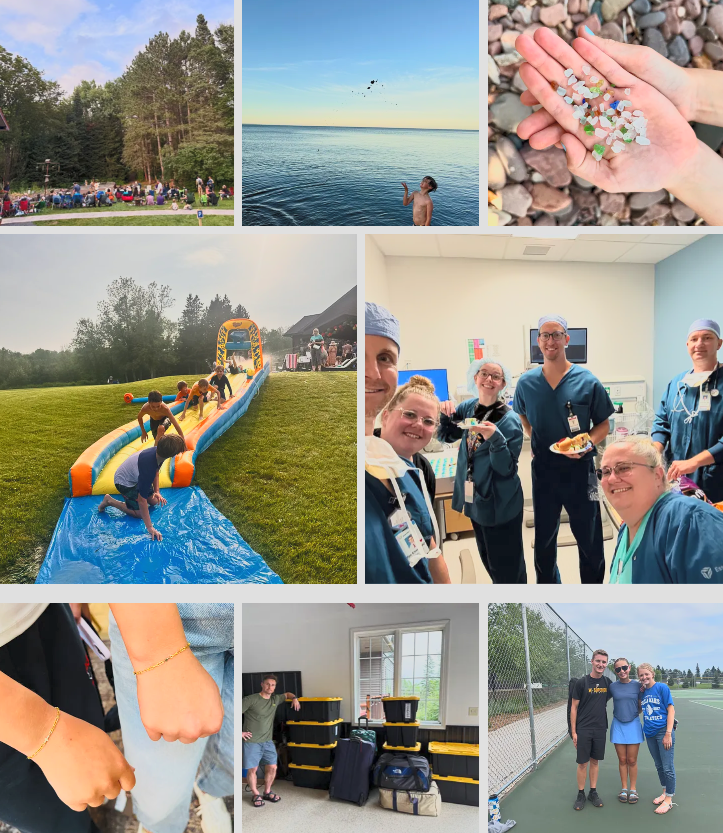
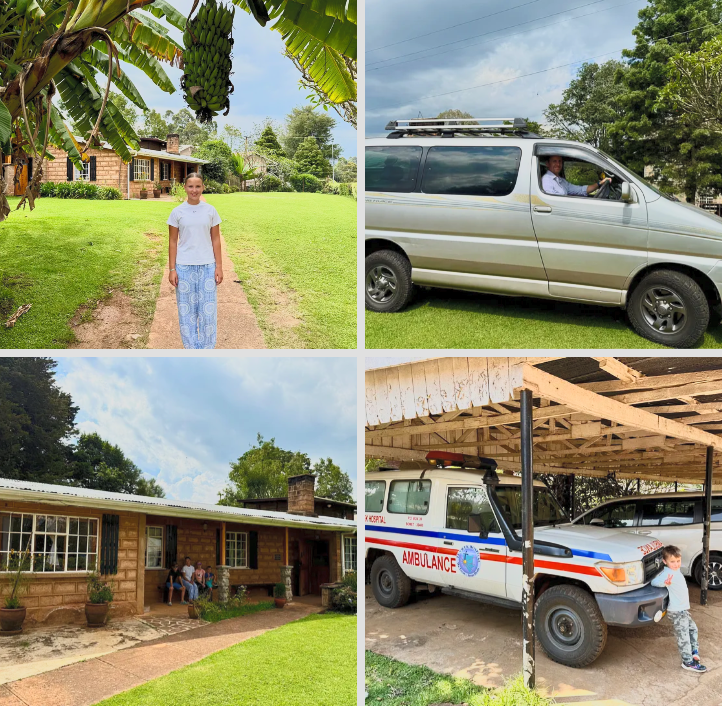
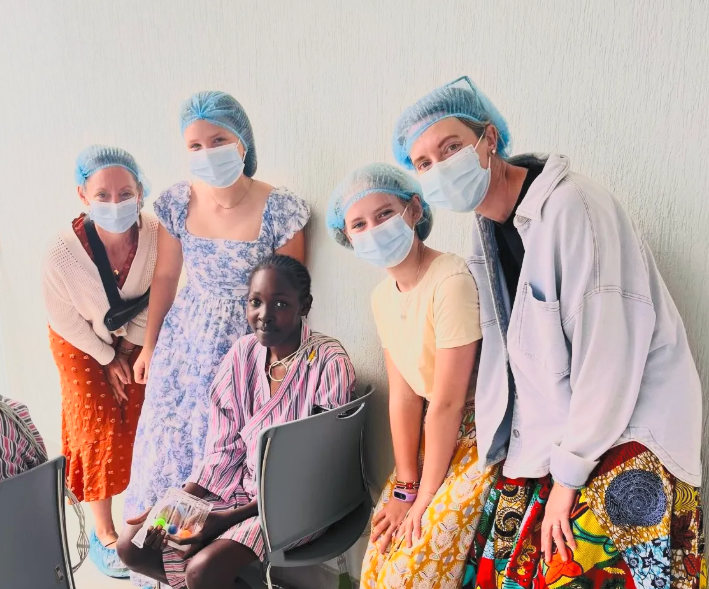
They left with a sentence from Stella Maris Academy folded into their luggage: To Lead, Love, and Serve as Jesus Taught. They came home having spent a year putting it to work.
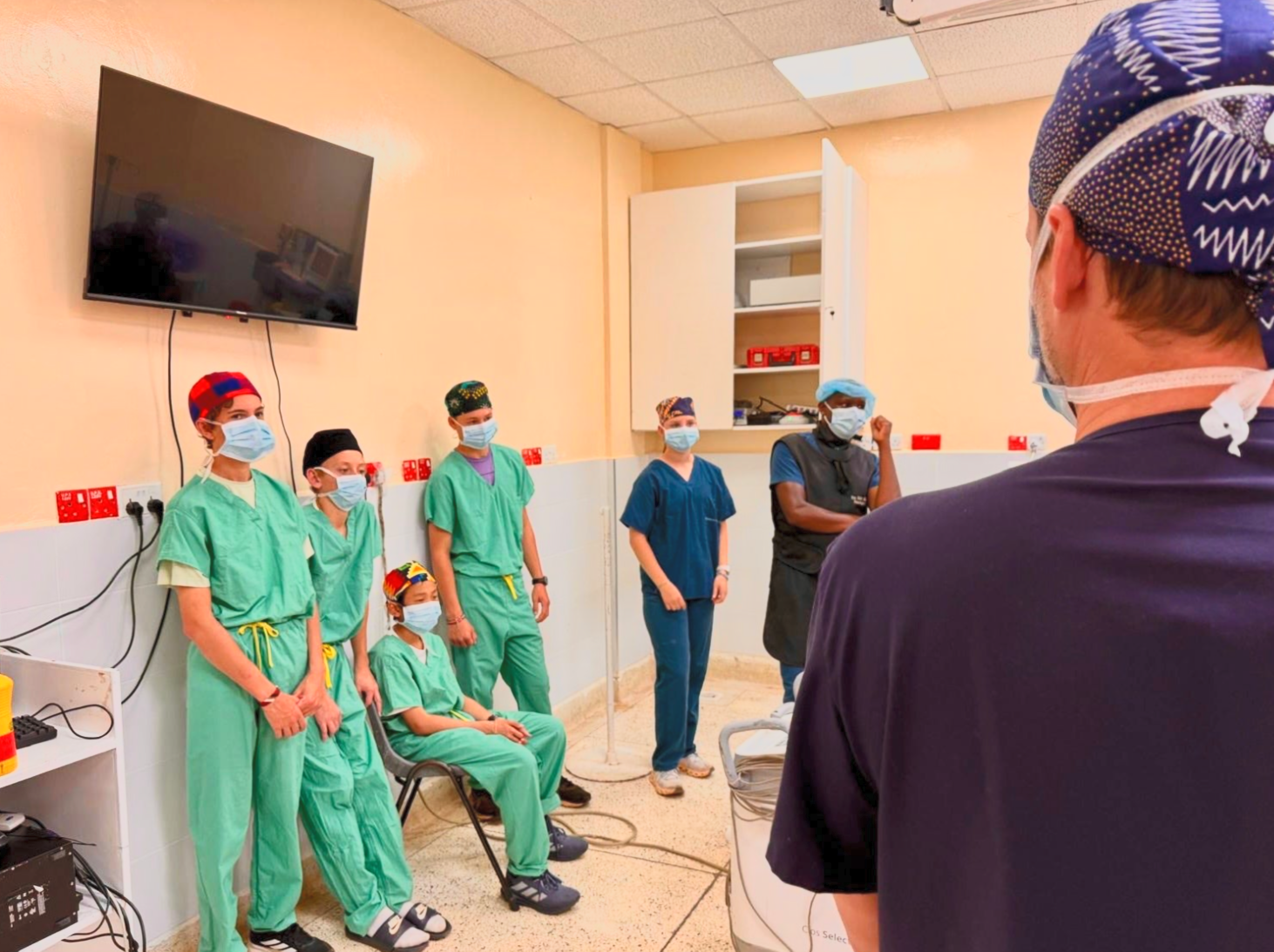
Tenwek is one of Kenya’s oldest mission hospitals, founded in the 1930s as a single-room dispensary and now stretching to more than 350 beds. Its motto, “We treat, Jesus heals,” shaped almost every day of Tim’s year. His caseload moved between conditions he had treated routinely in the United States : coronary bypasses, aortic repairs, and ones he had not seen since his cardiac fellowship at Boston Children’s: Tetralogy of Fallot repairs, Blalock-Taussig shunts, anomalous coronary arteries, and surgery on infants who weighed less than a sack of flour. The patients arrived later in their disease courses than they would have at home, where routine pediatric care catches the murmurs early. Tenwek’s waiting list for rheumatic heart disease surgery alone held more than 800 patients. During one stretch in January, Tim’s team performed three aortic dissection repairs in a single weekend and supported four post-surgical patients on ECMO the following week. He worked 100-hour weeks and 36-hour shifts.
Resources were thin. Supplies meant for single use in American hospitals were reprocessed and used again. Blood availability could delay surgery. When Tim found that the main hospital’s forty-year-old anesthesia machines could not safely ventilate infants, and that serious complications had already followed; the Essers turned to their community back home. They raised twenty thousand dollars in less than a month. Two new machines were ordered. By spring they were keeping the smallest patients breathing through operations that could not have been safely performed before.
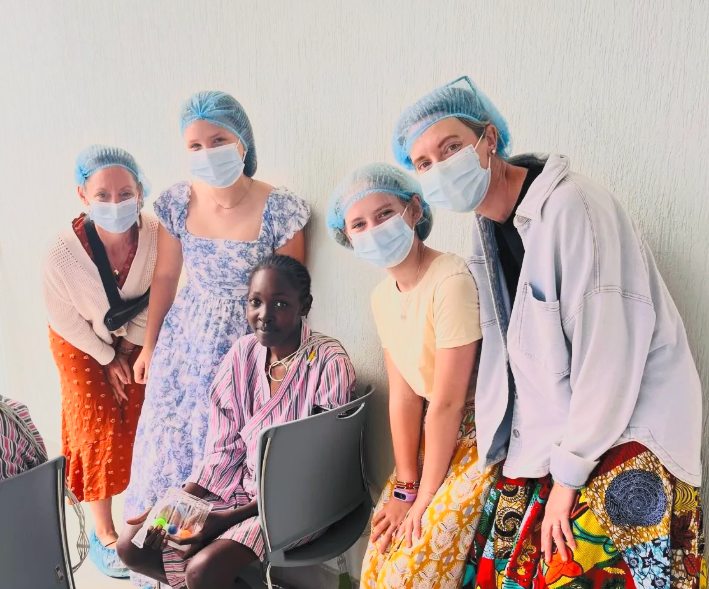
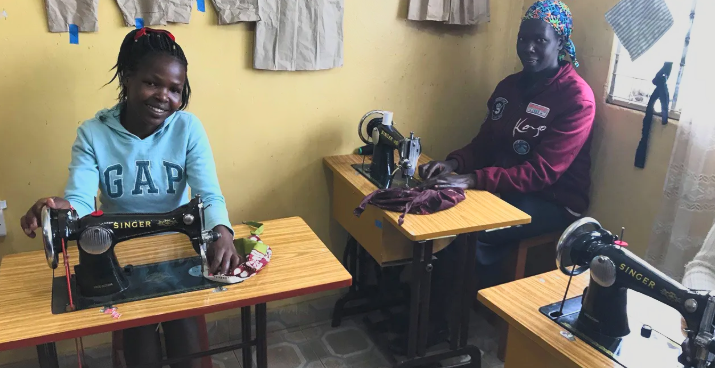
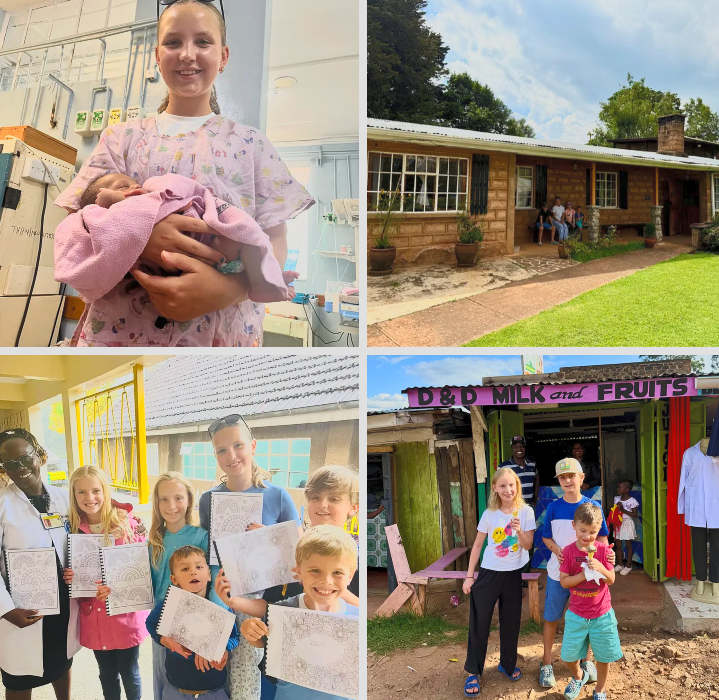
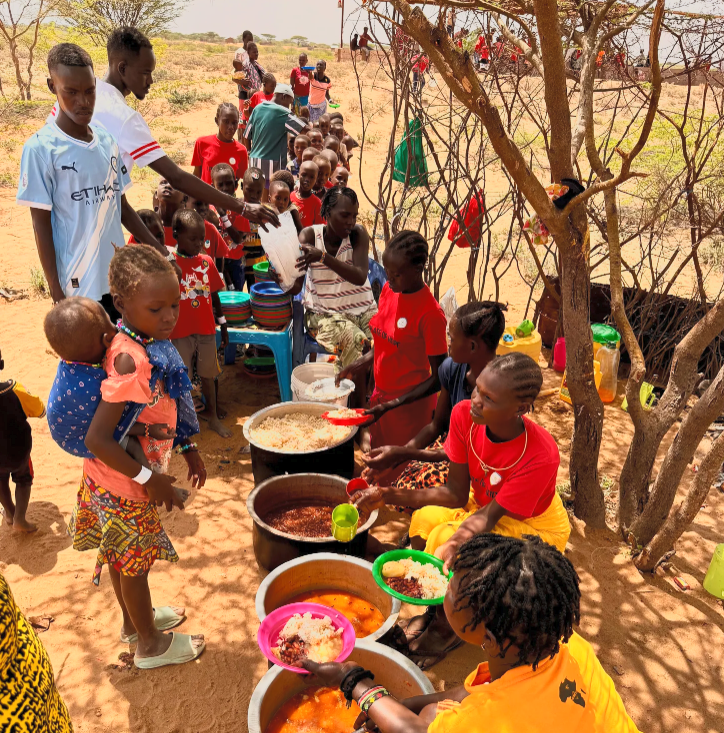
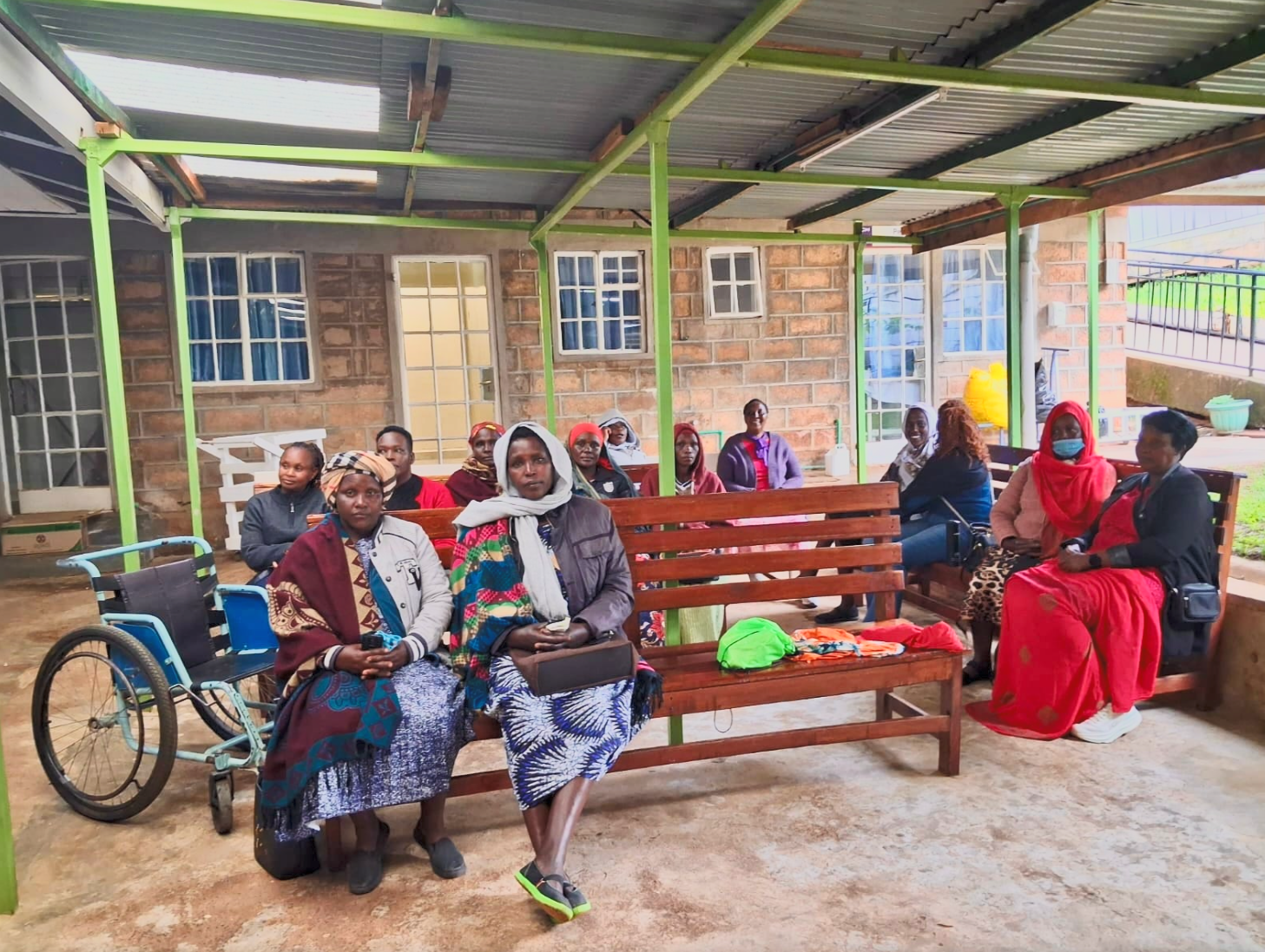
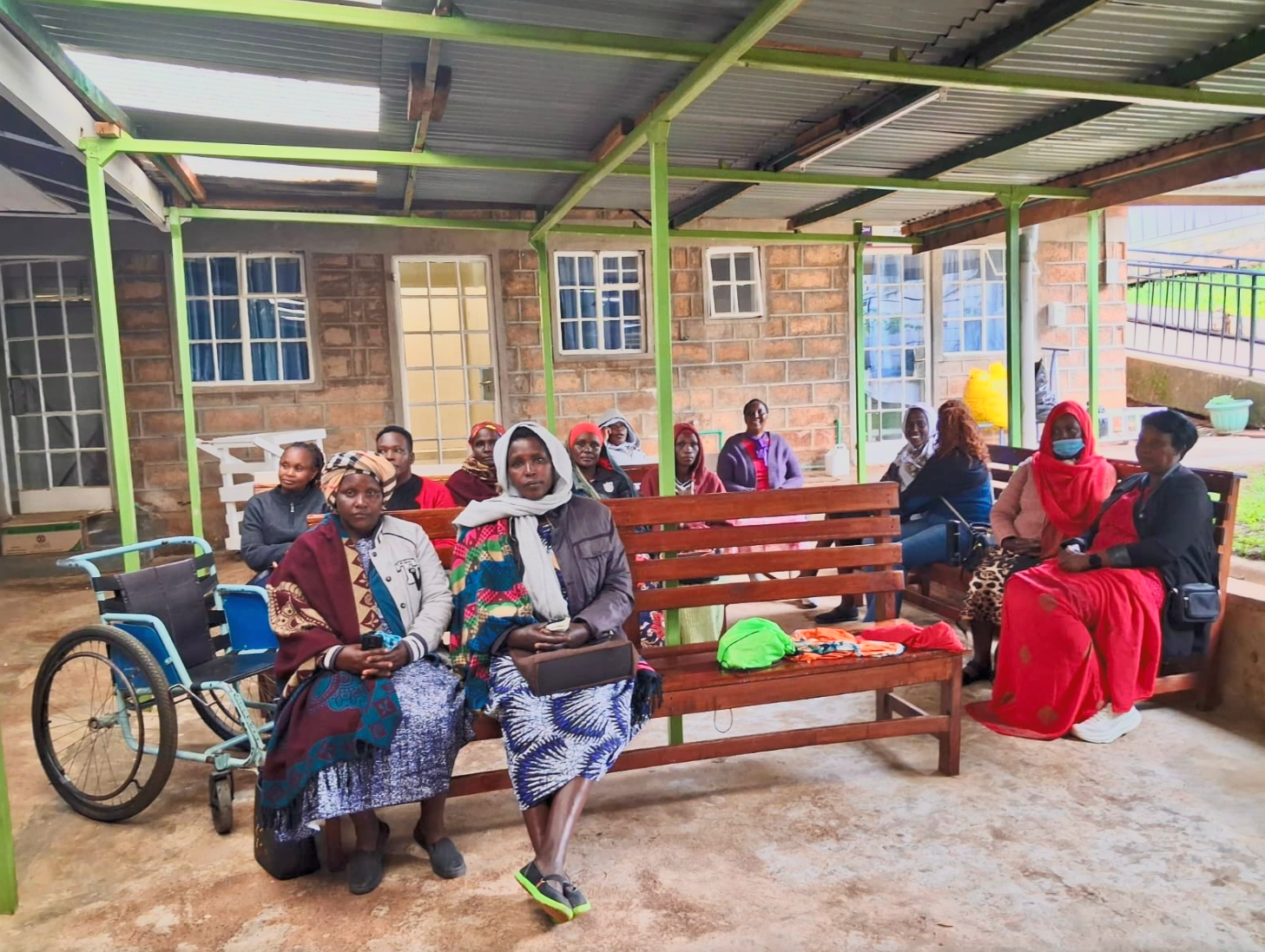
Kim spent her year in the corners of Tenwek where statistics became faces. She joined the Community Health team’s rounds through villages in Bomet County, where families were shown how to build their own water filters from gravel and sand for the equivalent of five U.S. dollars. She spent a Saturday at a free cervical cancer screening clinic where 140 women , some of them in line by 6:30 a.m. for an 8:30 opening were seen in five hours. She and a friend drove deep into Turkana County, one of the most remote and impoverished regions in the country, to distribute 100 reusable menstrual hygiene kits sewn by graduates of the Tenwek Threads of Hope program. The kits, which last three to five years, change something practical and something larger: girls in Turkana often miss a week of school each month without them, and over years that lost ground decides futures.
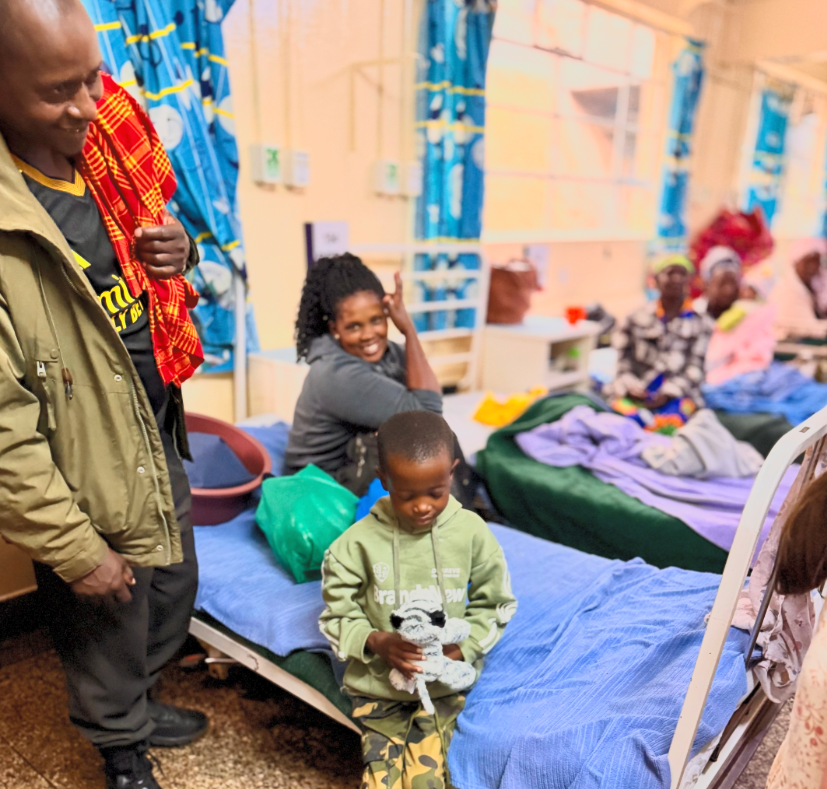
Two patients in particular became a larger part of the Esser family’s year. Tracy, three years old, had survived a house fire that killed her mother, sister, and grandmother and left her with burns over half her body. Sophie and her friend Sally began visiting her daily, bringing books, snacks, downloaded episodes of Peppa Pig, and once a doll wrapped in bandages to match Tracy’s own. Tracy endured three skin-grafting surgeries through the fall. By January she walked herself down the hospital hallway in tiny Crocs for her dressing changes. She was discharged on January 16 to her aunt and uncle. A few weeks later, the Essers drove out to her family’s compound, where Tracy gave Sophie a manicure and introduced her to her cow.
Grace, fifteen, arrived in the spring already in Class IV heart failure from rheumatic disease that had quietly damaged her heart valves since an untreated strep infection in childhood. She needed two valves replaced, possibly three, and her family had no way to pay for the operation. The Essers wrote about her on their blog one evening. Within forty-eight hours, more than ten thousand dollars had come in. Two days after that, Grace was in the operating room receiving a mechanical aortic valve, a mechanical mitral valve, a tricuspid repair, and a Cox-Maze procedure. Tim was with her through the day. She walked out of the hospital nine days later. She has decided she wants to become a heart doctor.
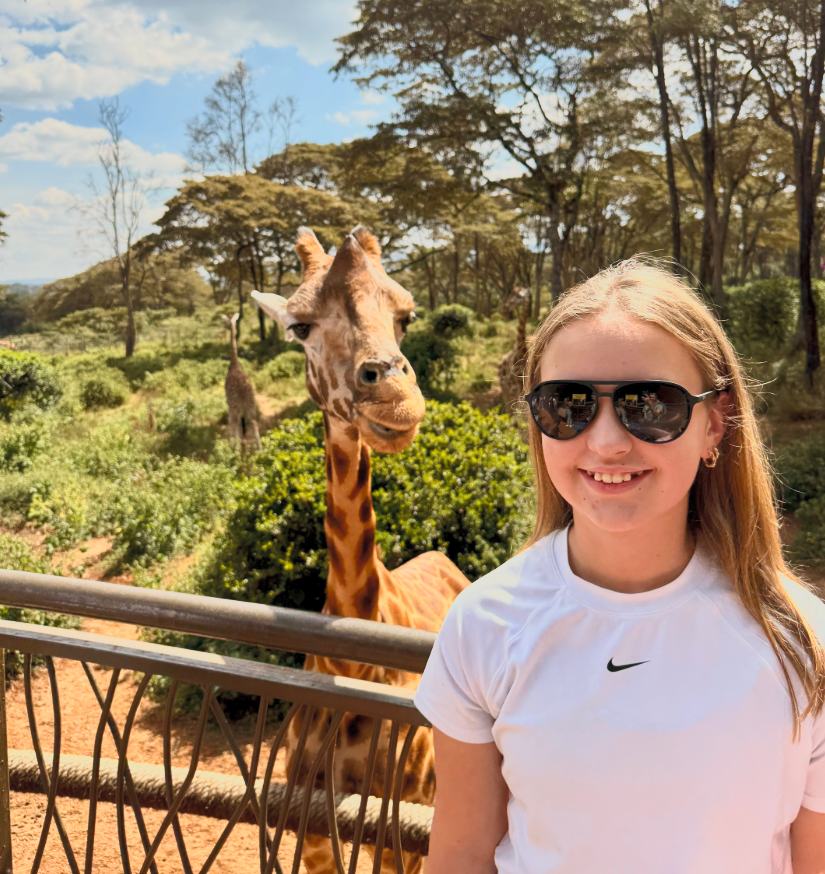
The kids did not stay on the sidelines. Sophie observed surgeries, learned to suture, and gave devotions on the pediatric ward through Chaplain Joyce, who translated her words into Swahili line by line. She climbed Mount Kenya. Murphy filled his hours with books, rollerblades, and what amounted to a small economy of ice pops and sunglasses for the neighborhood kids. Maisy learned to crochet from her friends and turned out hats, bags, and a baby blanket for a soon-to-arrive cousin; she also picked up the ukulele and learned Swahili songs to play on the wards. Sam, five when they arrived, made friends with the speed only a five-year-old can manage, learned to read, and reported that the only thing he missed from home, aside from people, was Bulldog Pizza.

There were goodbyes, of course, and the things that do not photograph well , the wails of grieving families carried on the wind through the Essers’ open windows, the losses that ran alongside the saves, the ethical weight of operating in a place where patients arrive too late more often than not. Tim wrote home about the conversations no one wants to lead: telling a teenager that without surgery, death is near certain, and that with surgery, the odds of surviving the week are roughly even.
The Essers came home to Duluth this summer carrying stories they will be unpacking for years. The Stella Maris mission: to Lead, to Love, to Serve , was never an abstraction for them. It looked like an infant being hand-ventilated through open-heart surgery. It looked like 130 children eating maize and beans under a pole barn in the Turkana desert. It looked like a fifteen-year-old waking up in a Tenwek ICU bed with a brand-new heart rhythm. Kim wrote on the blog one evening, near the end of their time, that it is a gift when your heart wants to be in two places at once, it means you have loved deeply. That, more than the luggage they hauled home, is what the family brought back.
Read the full journey 👉 https://essersafari.substack.com/